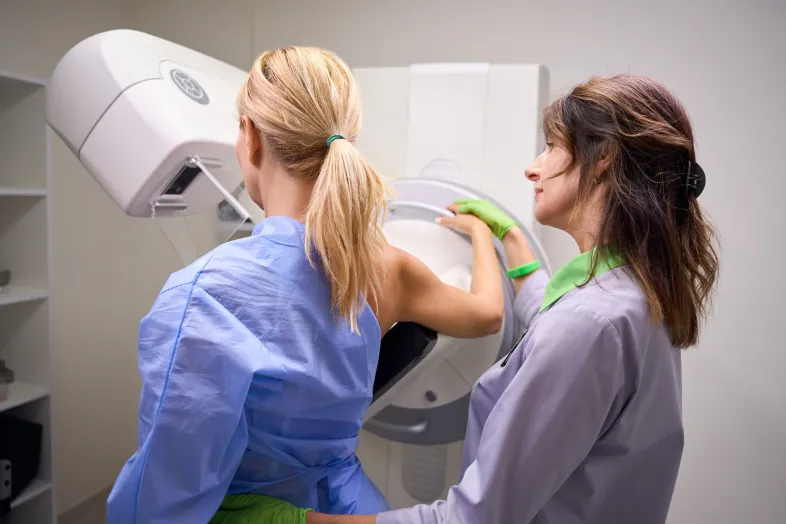
Mammograms are one of the most important tools for the early detection of breast cancer. However, many patients are unsure about the difference between a screening mammogram and a diagnostic mammogram.
While both exams use mammography technology to evaluate breast tissue, they are performed for different reasons. Understanding the difference can help patients know what to expect and ensure they receive the appropriate exam.
What Is a Screening Mammogram?
A screening mammogram is performed for women who do not have any signs or symptoms of breast cancer.
The goal of a screening mammogram is to detect breast cancer at its earliest stages, often before a lump can be felt or symptoms develop.
A screening mammogram may be recommended if you:
• Have no breast symptoms
• Have dense breast tissue
• Have a family history of breast cancer
Have a personal history of breast cancer and have completed recommended diagnostic follow up mammography.
• Have a personal history of benign breast disease or prior benign biopsy
• Have a personal or family history of hereditary cancer syndromes, such as BRCA or CHEK2 mutations
Annual screening mammography remains the most effective imaging tool for the early detection of breast cancer.
What Is a Diagnostic Mammogram?
A diagnostic mammogram is performed when additional breast imaging is needed to evaluate a specific concern.
Your healthcare provider or radiologist may recommend a diagnostic mammogram if:
• You have been called back after a screening mammogram
• You have a breast lump or other focal breast symptoms
• You have nipple discharge, skin changes, or focal breast pain
• Your healthcare provider identifies an area of concern during a clinical breast exam
• Follow-up imaging has been recommended by a radiologist
• You require imaging follow-up after breast-conserving surgery
Diagnostic mammography includes additional images focused on the area of concern to help radiologists better evaluate the breast tissue.
Why Early Detection Matters
According to the American Cancer Society, when breast cancer is detected early and is localized to the breast, the five-year relative survival rate is 99%.
Regular screening, combined with appropriate diagnostic follow-up when needed, plays a critical role in detecting breast cancer as early as possible.
What Should You Expect?
Most women receive screening mammograms as part of their routine preventive healthcare.
If additional imaging is needed, it is important to remember that being called back after a screening mammogram is not uncommon and does not necessarily mean cancer is present. In many cases, additional imaging confirms that the finding is benign.
Why Choose FRC for Mammography?
At Fairfax Radiology Centers, our breast imaging services are provided by fellowship-trained breast imaging radiologists who specialize exclusively in breast imaging.
FRC offers advanced 3D mammography technology, dedicated breast imaging centers throughout Northern Virginia, and a comprehensive patient-centered approach focused on compassionate, high-quality care.